Explosion Proof Camera for Hazardous Area Security: Ensuring Safety in High-Risk Industrial Environments
Introduction
In hazardous industrial environments, safety is not just a priority—it is a necessity. Industries such as oil & gas, petrochemical processing, chemical manufacturing, mining, offshore drilling, and power generation often operate in locations where flammable gases, combustible dust, and explosive vapors are present.
In these high-risk areas, conventional surveillance equipment can become a potential ignition source. Therefore, organizations rely on Explosion Proof Cameras specifically designed for Hazardous Area Security to ensure continuous monitoring while maintaining the highest safety standards.
This article explores the importance of explosion-proof surveillance systems, their key features, applications, and how they help improve security and operational efficiency in hazardous environments.
What Is an Explosion Proof Camera?
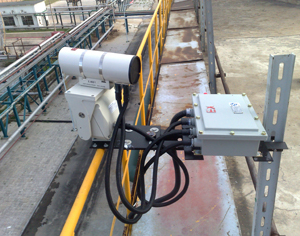
An Explosion Proof Camera is a specially engineered surveillance device designed to operate safely in environments containing explosive gases, vapors, or combustible dust.
Unlike standard CCTV cameras, explosion-proof cameras are enclosed within robust housings that prevent internal sparks, electrical arcs, or high temperatures from igniting hazardous substances in the surrounding atmosphere.
These cameras are typically certified according to international standards such as:
- ATEX Certification
- IECEx Certification
- CNEX Certification
- UL Hazardous Location Standards
Consequently, they can be safely deployed in classified hazardous areas without increasing operational risks.
Why Hazardous Areas Require Specialized Security Cameras
Hazardous areas contain potentially explosive atmospheres that may be created by:
- Flammable gases
- Volatile liquids
- Combustible dust
- Chemical vapors
Examples include:
- Oil refineries
- LNG terminals
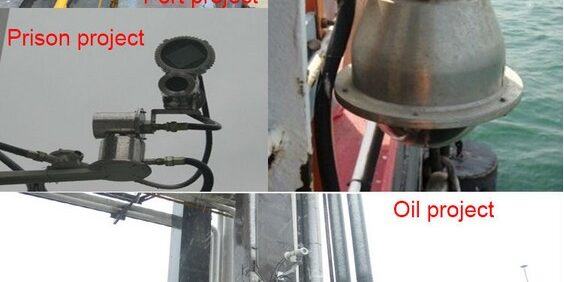
- Offshore oil platforms
- Chemical plants
- Fuel storage facilities
- Mining operations
In these environments, even a small electrical spark can cause catastrophic incidents.
Therefore, explosion-proof surveillance systems are essential for ensuring both safety and security.
Key Features of Explosion Proof Cameras
Explosion-Proof Housing
The most important feature is the explosion-resistant enclosure.
Typically constructed from:
- 304 Stainless Steel
- 316L Stainless Steel
- Marine-grade alloys
These housings prevent any internal ignition source from reaching the surrounding atmosphere.
Corrosion Resistance
Many hazardous environments are also highly corrosive.
For example:
- Offshore platforms face saltwater exposure.
- Chemical plants release corrosive vapors.
- Refineries operate under harsh environmental conditions.
Consequently, corrosion-resistant housings significantly extend equipment lifespan.
High-Definition Video Monitoring
Modern explosion-proof cameras provide:
- Full HD imaging
- 4K Ultra HD options
- Low-light performance
- Day/night functionality
As a result, operators receive clear and detailed surveillance footage around the clock.
PTZ Functionality
Explosion-proof PTZ cameras offer:
- Pan, Tilt, and Zoom control
- Wide-area coverage
- Long-distance monitoring
- Remote operation
This reduces the number of cameras required while maximizing surveillance effectiveness.
Thermal Imaging Integration
Many hazardous area security systems integrate thermal cameras to detect:
- Equipment overheating
- Gas leaks
- Fire risks
- Unauthorized intrusions
Furthermore, thermal imaging performs effectively in darkness, fog, smoke, and adverse weather conditions.
Applications of Hazardous Area Security Cameras
Oil & Gas Industry
Oil and gas facilities require continuous monitoring of:
- Drilling operations
- Wellheads
- Pipelines
- Storage tanks
- Processing units
Explosion-proof cameras help operators maintain visibility while complying with strict safety regulations.
Petrochemical Plants
Petrochemical facilities contain large volumes of flammable materials.
Security cameras monitor:
- Process equipment
- Loading stations
- Control areas
- Critical infrastructure
This improves both operational safety and asset protection.
Offshore Platforms
Marine environments present unique challenges including:
- Corrosion
- High humidity
- Strong winds
- Explosive atmospheres
Explosion-proof cameras designed for offshore use provide reliable monitoring under these demanding conditions.
Chemical Manufacturing Facilities
Chemical plants use explosion-proof CCTV systems to monitor:
- Production lines
- Mixing processes
- Storage facilities
- Hazardous material handling areas
Real-time monitoring helps prevent accidents and improves emergency response capabilities.
Mining Operations
Mining facilities often contain combustible dust and explosive gases.
Explosion-proof cameras provide visibility in:
- Underground tunnels
- Conveyor systems
- Processing plants
- Loading zones
Benefits of Explosion Proof Security Cameras
Enhanced Safety
Continuous monitoring allows operators to identify hazards before they become critical incidents.
Consequently, workplace safety is significantly improved.
Regulatory Compliance
Explosion-proof surveillance systems support compliance with:
- ATEX Directives
- IECEx Standards
- OSHA Regulations
- Industrial Safety Requirements
Reduced Operational Risk
Remote monitoring reduces the need for personnel to enter dangerous areas.
Therefore, exposure to hazardous conditions is minimized.
Improved Asset Protection
High-definition surveillance helps prevent:
- Theft
- Vandalism
- Unauthorized access
- Operational disruptions
Lower Maintenance Costs
Rugged construction and corrosion-resistant materials ensure long service life and reduced maintenance requirements.
Choosing the Right Explosion Proof Camera
When selecting a hazardous area surveillance camera, consider the following:
Certification Requirements
Ensure compliance with local and international hazardous area standards.
Environmental Conditions
Evaluate:
- Temperature range
- Humidity levels
- Corrosion exposure
- Dust concentration
Imaging Requirements
Select suitable options such as:
- Fixed Cameras
- PTZ Cameras
- Thermal Cameras
- Multi-Sensor Systems
Future Trends in Hazardous Area Security
The future of hazardous area monitoring is being shaped by:
- AI Video Analytics
- Intelligent Intrusion Detection
- Thermal and Optical Sensor Fusion
- Predictive Maintenance Monitoring
- Remote Unmanned Operations
Conclusion
An Explosion Proof Camera for Hazardous Area Security is an essential component of modern industrial safety and surveillance systems.
Whether deployed in oil refineries, offshore platforms, chemical plants, LNG terminals, or mining facilities, these specialized cameras provide reliable monitoring while maintaining strict safety compliance.
By investing in certified explosion-proof surveillance solutions, organizations can protect personnel, secure critical assets, and ensure uninterrupted operations in the world’s most demanding environments.
FAQ
What is an explosion-proof camera?
An explosion-proof camera is a surveillance device specifically designed for hazardous areas where explosive gases, vapors, or dust may be present.
Where are explosion-proof cameras used?
They are commonly installed in oil & gas facilities, chemical plants, offshore platforms, LNG terminals, and mining operations.
What certifications should hazardous area cameras have?
ATEX, IECEx, CNEX, and UL certifications are among the most widely recognized standards.
Can explosion-proof cameras support thermal imaging?
Yes. Many models integrate thermal imaging technology for fire detection, gas leak monitoring, and perimeter security.
Are PTZ explosion-proof cameras available?
Yes. Explosion-proof PTZ cameras provide wide-area monitoring and remote zoom capabilities for industrial security applications.